Introduction
If you’re a restaurant, café, bar, or food-service business in Wisconsin — maybe in Waukesha, Milwaukee, Madison or beyond — keeping your kitchen hood and exhaust system clean is more than “nice to have.” It’s a critical step for safety, compliance, and long-term cost-savings. In this 2025 guide, we’ll explore why hood cleaning matters, what to expect from a top-notch affordable company, and how you can find the right service near you.
🔥 Why Regular Hood Cleaning Is Non-Negotiable
-
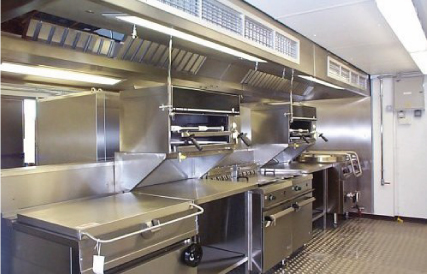
Fire prevention & safety: Kitchen hoods and exhaust ducts collect grease and oily vapors from cooking. If left unchecked, that grease becomes a serious fire hazard — a single spark or flare-up can ignite deposits in ducts, canopy, or fans, potentially causing a dangerous kitchen fire.
-
Compliance with safety standards: The widely recognized guideline is set by National Fire Protection Association (NFPA), via its standard NFPA 96, which governs ventilation control and fire protection for commercial cooking operations.
-
Better ventilation, cleaner air & efficient operation: Grease buildup reduces ventilation efficiency, can lead to odors, smoke back-up, and even damage to fans or ductwork. A clean exhaust system helps maintain air quality and prolong equipment life.
-
Avoiding fines, insurance and liability issues: Many local codes and health/fire-safety regulations require regular cleaning and documented inspections. Neglecting hood maintenance can result in code violations, insurance problems, or forced kitchen shutdowns.
✅ What “Affordable” Hood Cleaning Should Still Include
When searching for an affordable hood-cleaning company in Wisconsin, make sure the following is included — because “cheap” without completeness can cost you more in risks down the line:
-
Full exhaust system cleaning: Not just the visible hood and filters — but also exhaust fan, ductwork (horizontal & vertical), canopy, grease traps, and vent shafts.
-
Compliance with NFPA 96 (or local code) & proper certification: The company should use trained/qualified technicians who know local requirements under codes (and for Wisconsin, local fire/health departments).
-
Documentation & inspection/cleaning certificate: A written report or tag after cleaning — many health/fire inspections require proof of maintenance.
-
Transparent pricing & breakdown: A clear quote showing what is covered — hood, ducts, fan, filters, labor — so you’re not hit with surprise add-ons. (We’ll talk more on typical cost ranges below.)
-
Flexible scheduling & minimal disruption: Preferably options like after-hours or overnight cleaning so your kitchen operations aren’t interrupted — especially helpful for diners, restaurants, or busy kitchens. Many reputable providers schedule work around clients’ hours.
💲 Typical Cost & Frequency Expectations (Wisconsin / U.S. baseline)
Based on industry standards and recent market data:
| Kitchen Type / Use | Recommended Cleaning Frequency* |
|---|---|
| Solid-fuel cooking (wood, charcoal, pizza ovens, even heavy fryer use) | Monthly |
| High-volume commercial kitchens (restaurants, 24-hour diners, heavy fryers/char-broilers) | Quarterly (every 3 months) |
| Moderate-volume kitchens (average sit-down restaurant, daily cooking) | Semi-annually (twice per year) |
| Low-volume cooking (church kitchens, day-camps, seasonal operations, small cafés) | Annually (or as local code permits) |
*“Recommended” = minimum safe interval per NFPA 96 and general industry guidance; actual need may be more frequent depending on cooking style and grease output.
As for cost, a “standard” hood cleaning for a small kitchen/1–2 hood system often ranges modestly, while larger or complex exhaust systems cost more — sometimes significantly — depending on the scope and labor.
🔎 How to Find the Right Hood-Cleaning Company Near You (Wisconsin)
-
Check for certification and NFPA-compliance — Ask whether they follow NFPA 96 guidelines and have qualified technicians.
-
Request proof of past work & documentation practices — Companies that provide before/after photos, detailed reports, and cleaning labels make compliance easier during inspections.
-
Ensure they cover the full system — Hood, filters, ducts, fans; not just surface-level cleaning.
-
Ask about scheduling flexibility — Especially if you run a busy restaurant. Overnight or off-hours cleaning is a plus.
-
Compare apples to apples — get itemized quotes — Don’t just go for “cheapest.” Ensure the quote covers all necessary parts of the job.
-
Look for local experience and reputation — A company familiar with Wisconsin codes and local health/fire inspections can save you headaches.
📍 Why Local Wisconsin Matters — And What to Ask
Because building codes, fire regulations, and health-department requirements can vary from county to county in Wisconsin, using a local provider familiar with state and municipal legislation helps. For example, in Wisconsin, commercial cooking facilities must meet ventilation and exhaust hood requirements under building/health codes (often using a “Type I Hood” for grease-laden cooking operations).
When you contact a hood-cleaning company near Greenfield, Milwaukee, Madison, or elsewhere in Wisconsin — ask them if they:
-
Understand local fire / health codes and licensing requirements
-
Provide documentation compliant with local fire & health inspectors
-
Have experience working with similar Wisconsin-based establishments
This ensures you don’t just get a “clean hood,” but a kitchen that passes inspections and stays safe year-round.
🏆 What Makes a Hood-Cleaning Company “The Best / Affordable + Reliable”
When you find a hood-cleaning company that combines solid pricing, full-system service, proper certifications, and local code knowledge, you get a true “value” — not just a bargain. That kind of company helps you maintain safety, avoid shut-downs or fines, extend equipment lifespan, and give you peace of mind.
So when you’re typing “hood cleaning near me,” aim for more than cheap — aim for safe, compliant, and dependable.