
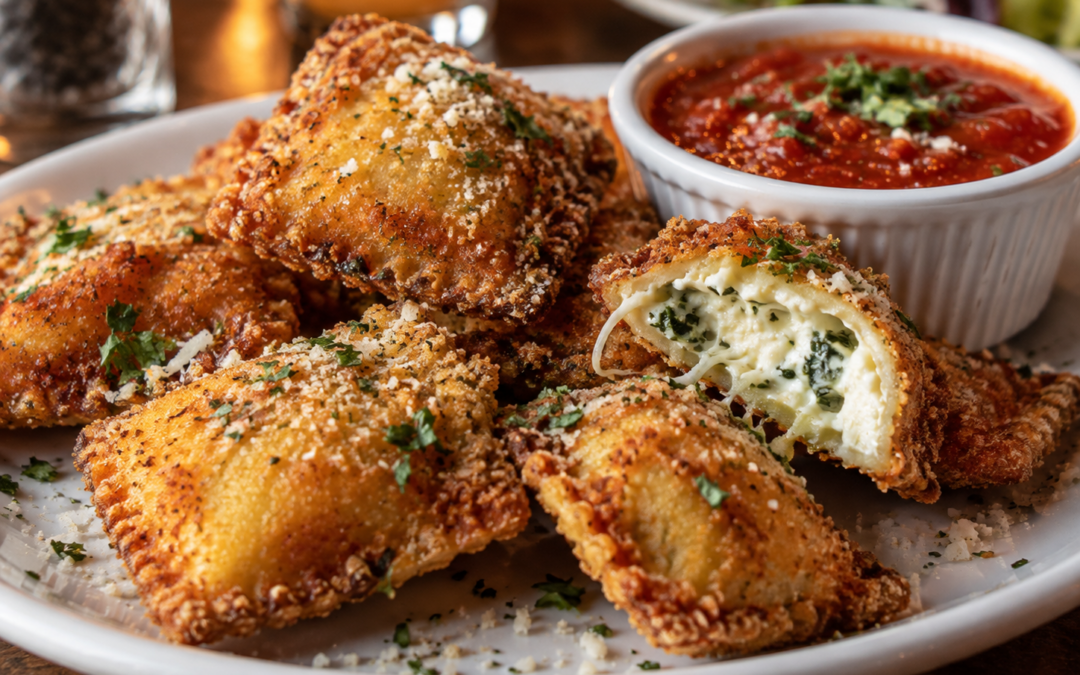
Crispy fried ravioli is a simple appetizer that can add something different to a restaurant menu without requiring complicated preparation. With a crunchy coating, warm cheesy filling, and marinara sauce for dipping, fried ravioli works well as an appetizer, bar snack, or shareable menu item.
For commercial kitchens, however, every fried menu item also brings another consideration: grease.
The more efficiently a kitchen manages its fryer, the easier it can be to control grease buildup around cooking equipment, walls, hood filters, and the exhaust system.
Crispy Fried Ravioli Recipe
For this recipe, you can use refrigerated or thawed cheese ravioli.
Ingredients
- Cheese ravioli
- 2 eggs
- 2 tablespoons milk
- Italian-seasoned breadcrumbs
- Grated Parmesan cheese
- Cooking oil for frying
- Marinara sauce for serving
Directions
Heat the fryer to approximately 350°F.
In one bowl, whisk together the eggs and milk. In another bowl, combine the breadcrumbs with a small amount of grated Parmesan cheese.
Dip each ravioli into the egg mixture, then coat it completely with the breadcrumb mixture.
Carefully place the ravioli into the fryer in small batches. Avoid overcrowding the fryer because doing so can quickly lower the oil temperature.
Fry until the ravioli are golden brown and crispy. This usually takes only a few minutes.
Remove the ravioli and allow excess oil to drain before serving with warm marinara sauce.
Keep the Frying Temperature Consistent
Maintaining the proper fryer temperature is one of the easiest ways to reduce unnecessary grease.
If the oil temperature drops too low, breaded foods can absorb more oil instead of cooking quickly on the outside. That can make the food greasier while also increasing the amount of oil being used.
Adding too much food at once is one of the most common reasons fryer temperatures suddenly drop.
Smaller batches can help maintain a more consistent temperature and produce crispier fried ravioli.
Let Excess Breading Fall Off Before Frying
Loose breadcrumbs can fall into the fryer and eventually burn at the bottom of the oil.
Before placing ravioli into the fryer, gently shake off excess breading.
Removing crumbs from the fryer throughout the day can also help keep the oil cleaner.
Cleaner oil generally lasts longer and produces better-tasting food.
Drain Fried Foods Properly
Allowing fried ravioli to drain for a short period before plating can prevent unnecessary oil from collecting on plates, trays, counters, and kitchen surfaces.
A fryer basket or draining rack works well.
Good draining practices may seem like a small detail, but over hundreds of orders, they can help reduce the amount of grease moving throughout a commercial kitchen.
Clean Around the Fryer Regularly
Fryer grease does not stay inside the fryer.
During cooking, small grease particles and vapors can travel into the air and eventually collect on surrounding equipment and inside the kitchen exhaust system.
Wiping down surfaces around the fryer throughout the day can help prevent heavy grease accumulation.
Floor areas near fryers should also be cleaned regularly because grease on the floor can become a slipping hazard.
Don’t Forget the Kitchen Hood System
Even kitchens with excellent daily cleaning procedures will eventually accumulate grease inside the hood, filters, exhaust ductwork, and rooftop exhaust fan.
Commercial kitchen exhaust systems are designed to capture airborne grease created during cooking.
Over time, that grease needs to be professionally removed.
Affordable Hood Cleaning and Power Washing provides professional commercial kitchen hood and exhaust cleaning for restaurants, bars, grills, convenience stores, assisted living facilities, and other commercial kitchens throughout Wisconsin.
Regular hood cleaning helps remove grease buildup from areas that normal kitchen cleaning cannot reach.
So go ahead and add crispy fried ravioli to the appetizer menu. Just remember that great fried food and good grease management belong in the same kitchen.