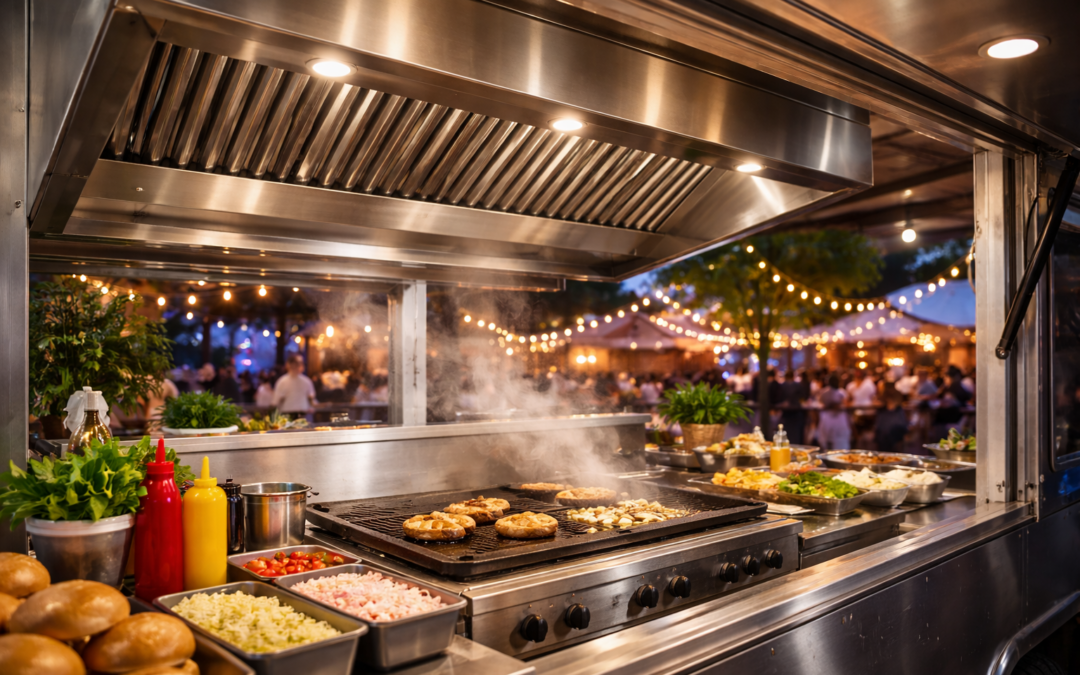
Food trucks have rolled into Wisconsin like a culinary parade on wheels, bringing bold flavors, creative menus, and on-the-go convenience to communities across the state. From festivals and breweries to street corners and private events, food trucks operate in fast-paced environments with limited space and high cooking demands. Because of this, proper hood maintenance is essential, making food truck hood cleaning a critical part of safe mobile kitchen operations.
Even though they are compact, food trucks rely on powerful commercial cooking equipment that produces grease, smoke, and heat. Without routine cleaning, grease can quickly build up inside the hood system, creating fire hazards and ventilation issues.
The Unique Challenges of Food Truck Kitchens
Related service: food truck hood cleaning inquiries. Confirm local service eligibility before scheduling, especially in the City of Madison.
Food trucks are essentially full commercial kitchens packed into a small, mobile space. Common equipment includes:
• Flat-top grills
• Deep fryers
• Charbroilers
• Small ranges
• High-output ventilation hoods
Because everything is condensed into a tight area, grease vapors accumulate faster than in larger kitchens. Ventilation systems must work harder, and there is less room for heat and smoke to dissipate.
Routine food truck hood cleaning helps remove grease buildup and keeps the system functioning properly, even under heavy daily use.
Fire Risks in Mobile Kitchens
Fire safety is especially important in food trucks due to their confined space and fuel sources such as propane tanks. Grease buildup inside the hood and duct system can become highly flammable.
If a flare-up occurs during cooking, grease deposits can ignite quickly and spread through the ventilation system. In a mobile setting, this type of fire can escalate rapidly.
Regular food truck hood cleaning reduces this risk by eliminating grease before it becomes a hazard. For food truck owners, this is one of the most important steps in protecting both the business and customers.
Wisconsin Regulations for Food Trucks
Food trucks operating in Wisconsin must meet local health and fire safety requirements. These may vary slightly by municipality, but typically include:
• Compliance with NFPA 96 ventilation cleaning standards
• Local fire department inspections
• Health department licensing requirements
• Proper maintenance of cooking and ventilation equipment
Routine food truck hood cleaning helps ensure compliance with these regulations. Professional cleaning services often provide documentation that can be used during inspections.
Staying compliant helps avoid fines, failed inspections, or interruptions in service.
Maintaining Airflow and Comfort in Tight Spaces
In a food truck, airflow is everything. When grease builds up inside the exhaust system, it restricts ventilation and can quickly make the kitchen uncomfortable and unsafe.
This can lead to:
• Excess heat buildup inside the truck
• Smoke lingering in the workspace
• Strong food odors accumulating
• Reduced efficiency of ventilation systems
Routine food truck hood cleaning keeps air moving properly, helping create a safer and more comfortable environment for staff working long hours in tight quarters.
Professional Cleaning for Mobile Kitchens
Cleaning a food truck exhaust system requires specialized knowledge due to the compact layout and mobile setup. Professional hood cleaning technicians understand how to safely access and clean all components, including:
• Hood interiors
• Filters
• Duct connections
• Exhaust fans
Cleaning is often scheduled during off-hours or between service days to minimize downtime. Technicians take care to protect equipment and ensure all grease is properly removed and contained.
Trusted Food Truck Hood Cleaning Services in Wisconsin
Food trucks are an important and growing part of Wisconsin’s food scene. Keeping these mobile kitchens safe, clean, and compliant is essential for long-term success.
Regular food truck hood cleaning helps prevent fires, improve ventilation, and meet inspection requirements, allowing food truck owners to focus on serving great food.
Affordable Hood Cleaning provides professional kitchen exhaust cleaning services throughout Wisconsin, helping food trucks and mobile kitchens stay safe, compliant, and ready to roll year-round.
To discuss professional kitchen exhaust cleaning and service availability, request a quote or call (414) 405-8500.
Learn about commercial kitchen hood cleaning and exhaust cleaning frequency considerations. Request a quote to discuss the cleaning scope, local requirements, and documentation available upon request for your facility.